
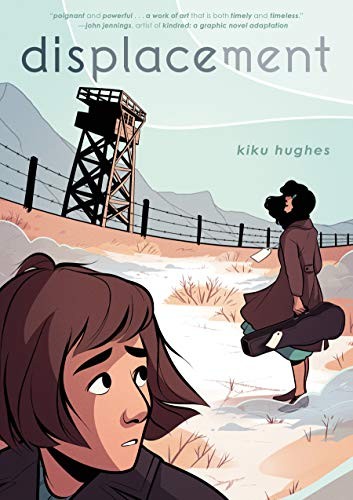
Young adult
DisplacementKiku Hughes
A teen time-travels into her grandmother's Japanese American incarceration during WWII.
$17.99$19.99
Buy on Bookshop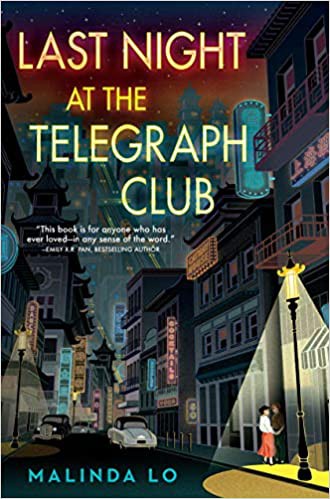
Malinda Lo
Young adult
NEW YORK TIMES BESTSELLER • WINNER OF THE NATIONAL BOOK AWARD AND STONEWALL BOOK AWARD • From acclaimed author Malinda Lo comes a gripping, tender coming-of-age novel exploring identity, queerness, and historical upheaval set in San ...
Prices are indicative. Final price is set by the retailer at checkout.
1950s San Francisco, a Chinese American girl, and a bar that lets her see a future. History that refuses to stay in the past tense.
Ages 13+. Queer readers, and anyone whose family love and family fear arrive in the same sentence.
What does Lily risk by walking into the Telegraph Club, and what does she risk by not?
Which room in the book felt safest, and which one felt like home.
Two titles that deepen the same conversation.
Young adult
DisplacementKiku Hughes
A teen time-travels into her grandmother's Japanese American incarceration during WWII.
Young adult
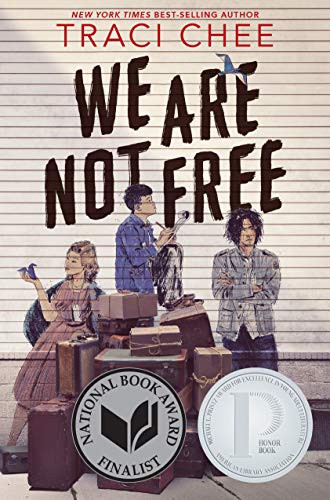
We Are Not FreeTraci Chee
For fourteen-year-old Minoru Ito and other members of the Japanese-American community in southern California, the three months since Pearl Harbor have been terrible, and soon their lives forever changed by mass incarcerations in relocation ...
Young adult
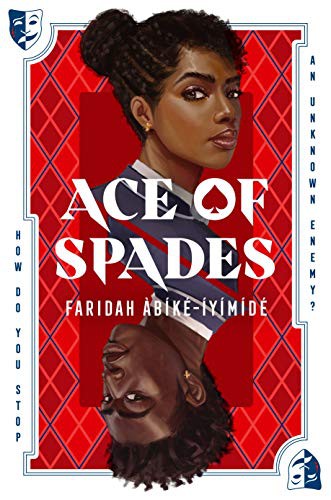
Ace of SpadesFaridah Àbíké-Íyímídé
Someone who holds all the aces. And they're planning much more than a high-school game...Unputdownable and utterly compulsive, this high-octane thriller takes a powerful look at institutionalized racism.
Young adult
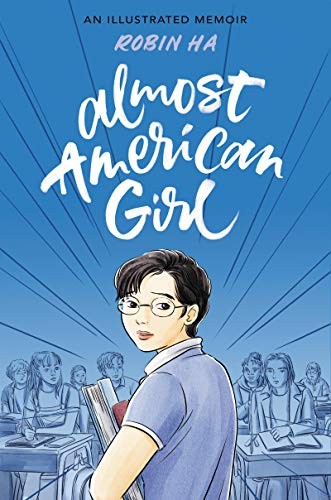
Almost American GirlRobin Ha
This nonfiction graphic novel with four starred reviews is an excellent choice for teens and also accelerated tween readers, both for independent reading and units on immigration, memoirs, and the search for identity.
Young adult
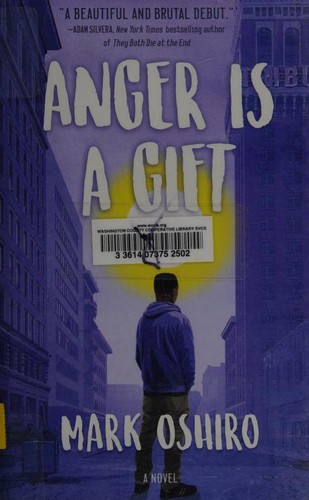
Anger is a GiftMark Oshiro
Something will have to change—but who will listen to a group of teens? When tensions hit a fever pitch and tragedy strikes again, Moss must face a difficult choice: give in to fear and hate or realize that anger can actually be a gift.
Young adult
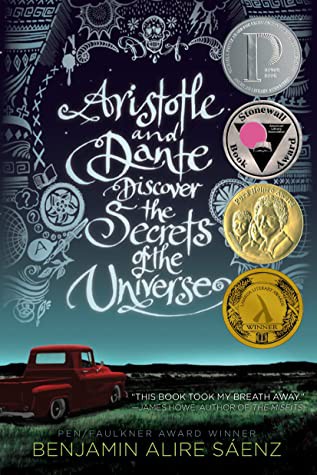
Aristotle and Dante Discover the Secrets of the UniverseBenjamin Alire Sáenz
Fifteen-year-old Ari Mendoza is an angry loner with a brother in prison, but when he meets Dante and they become friends, Ari starts to ask questions about himself, his parents, and his family that he has never asked before.
Young adult
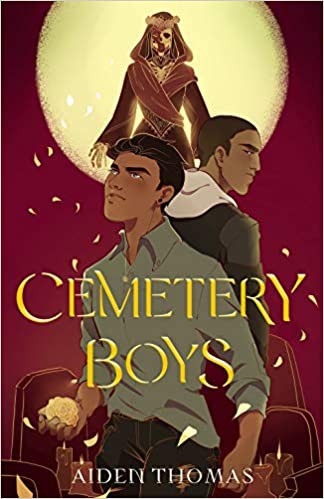
Cemetery BoysAiden Thomas
Cemetery Boys is necessary: for trans kids, for queer kids, for those in the Latinx community who need to see themselves on the page. Don’t miss this book." —Mark Oshiro, author of Anger is a Gift and co-author of The Sun and the Star
Young adult
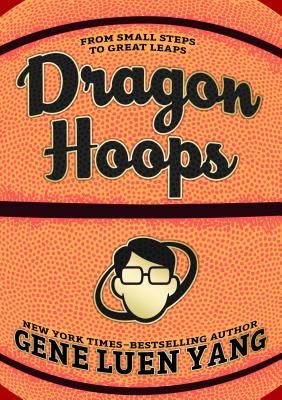
Dragon HoopsGene Luen Yang
In his latest graphic novel, Dragon Hoops, New York Times bestselling author Gene Luen Yang turns the spotlight on his life, his family, and the high school where he teaches. Gene understands stories—comic book stories, in particular.