
After the Last Page: Talking With Kids About Identity
The book is the easy part. The five minutes after you close it are where adults panic, over-explain, or turn a good story into a quiz. This guide is for that pause. It is not a script. Kids can smell a script.
Every book page on InclusiReads already has a conversation starter and a small “try this.” Use those first. What follows is the method behind them, so you can improvise when the book is not one of ours.
One question. Then wait.
Ask one thing. Then close your mouth. Adults fill silence because they are scared of getting identity wrong. Kids use silence to decide whether they are safe to tell the truth. If you stack three questions, you will get the performance answer.
Good first questions are small and about the page, not the child's soul:
- Who in this book feels like you tonight?
- What did someone do that helped?
- What would you have done in that room?
- What did they bring that was not in a bag?
If they shrug, the shrug is information. Try the pictures. “Show me the page you want to look at again.” That is still the conversation.
Do not make the child in the room the lesson
If you have a disabled child, a trans child, a child of color, or a child whose family does not look like the neighborhood, do not pivot the talk onto them unless they start it. Representation is not a speaking role. The book already did the introducing.
In a classroom, do not ask the one kid who “matches” the book to explain it to the others. That is how a mirror becomes a burden.
When you do not know the answer
Say so. “I don't know yet. Let's find out together” is better than a confident wrong thing. Then actually find out. Our About page explains how we tag books and when we will not guess at a creator's identity. You can use the same rule at home: if you cannot source it, leave it out.
If the question is really “is this allowed,” the answer is that kids already live in the world the book is describing. Pretending the book invented the topic does not protect anyone. It only delays the vocabulary.
Match the book to the hour
Bedtime is for celebration stories and short lines that stick. The rug is for classroom starters. The harder immigration and disability stories need you awake and in the room. Pancho Rabbit and the Coyote is not a lights-out book the first time.
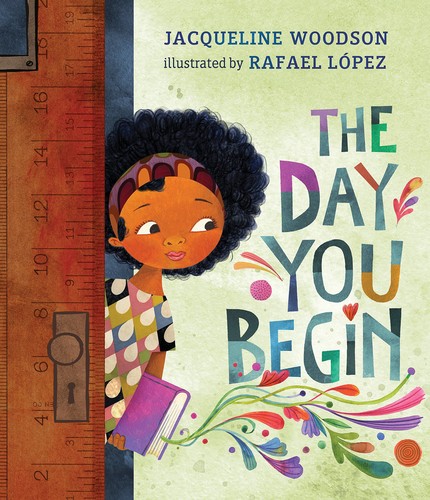
If a child is already carrying the topic in their body — a new school, a comment about hair, a parent who is tired — pick the book that names the feeling without solving it. The Day You Begin exists for that Sunday-night stomach.
What to do with a wrong comment
Kids repeat what they have heard. If something cruel comes out after a book about hijab, disability, or a rainbow family, correct the fact without humiliating the speaker. “That word hurts. Here is the word we use. Here is why.” Then reread the page that showed the person as a person. Do not end on the scolding.
If you are the one who fumbled, repair it the next night. Kids remember the repair more than the perfect first attempt.
A small practice that beats a big talk
Once a week, read a window book on an ordinary night. Not after a headline. Not in a designated month. The point of an inclusive shelf is that identity is not an event. If you only talk when something is wrong, kids learn that difference is a problem.
When you want more books for a specific topic, start at Topics. When you want a ready-made pile, start at Guides. If we got a tag wrong, contact us.