
Picture Books About Disability for Kids

Kids with disabilities deserve stories where they are the main character: curious, funny, brave, and already enough. Too many disability books still exist to teach nondisabled children a feeling. We do not stock those as the center of this shelf.
This guide sits next to our full disability topic hub, which mixes picture books with middle grade. The list below is the picture-book core, plus one novel that families keep requesting after storytime.
What we look for
We look for disabled characters who have a plot besides their diagnosis. We look for joy that is not inspirational. We look for room for questions without requiring a perfect answer from the adult in the chair.
We do not infer an author's disability from a photo or a name. If a page mentions identity, it comes from public self-identification or publisher materials they approved. How we write tags is the longer version.
The books on this shelf
Just Ask! is the door we open first in classrooms. Sotomayor invites curiosity. Use it when kids are staring, or when they have gone silent because nobody modeled a better move. Practice one kind question. Also practice when it is better not to ask.
My Rainbow is a family making a rainbow for a trans daughter who also happens to be autistic. Disability and gender are both in the room. Neither one is a twist. Read it as a making story: cardboard, paint, love, a kid who knows what she needs.
All the Way to the Top is Jennifer Keelan-Chaffins and the Capitol Crawl. Activism as something a child did with her body, not a poster about believing in yourself. Good for kids who already notice ramps, stairs, and who gets left outside.
Wonder is not a picture book. We still put it here because after the picture books, families ask what to read next, and this is the novel they mean. Auggie's face is the plot other people cannot stop making. Read it with the child, not as a character-education packet. If you want a middle-grade graphic novel instead, start with El Deafo on our middle-grade shelf.
How to read these without turning them into a unit
Read them for representation first. The conversation can follow. After storytime, try: “What helped someone in this book feel included?” If the child wants to talk about a classmate, let them. If they want to talk about the pictures, that is also the book working.
Do not quiz. Do not make the disabled child in the room the guest speaker. Do not skip the funny parts to get to the moral.
What we skip
- Stories where disability exists to inspire the nondisabled characters.
- Miracle endings that treat a body as a problem to solve.
- Books that only work if you already know the right vocabulary.
- Titles we cannot picture a disabled kid wanting to reread for fun.
The wider disability shelf has more formats. If a listing is wrong, tell us.
This shelf
4 books · buy on Bookshop, or save the list
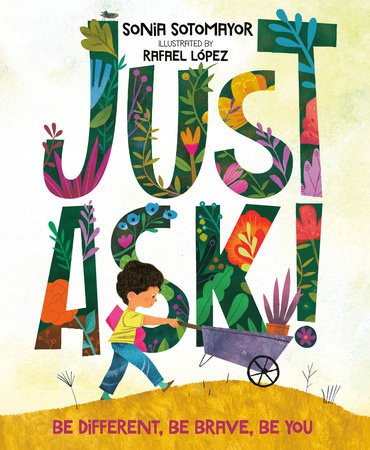
Ages 3–8
Just Ask!Sonia Sotomayor
As the kids work together to build a community garden, asking questions of each other along the way, this book encourages readers to do the same: When we come across someone who is different from us but we're not sure why, all we have to do ...
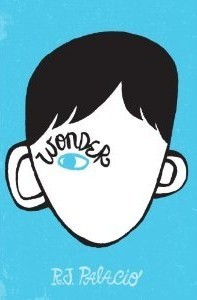
Ages 8–12
WonderR.J. Palacio
This modern classic inspired the Choose Kind movement, a major motion picture, and countless conversations about empathy, compassion, and acceptance. “Rich and memorable.”—The New York Times Book Review NAMED ONE OF THE BEST ...
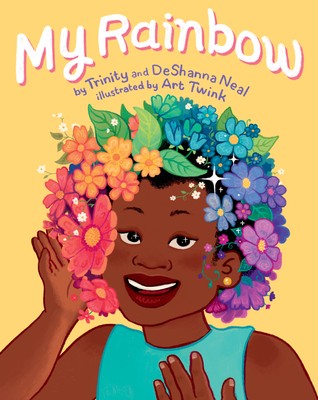
Ages 3–8
My RainbowDeShanna Neal & Trinity Neal
With powerful text by Trinity and DeShanna Neal and radiant art by Art Twink, My Rainbow is a celebration of showing up as our full selves with the people who have seen us fully all along.
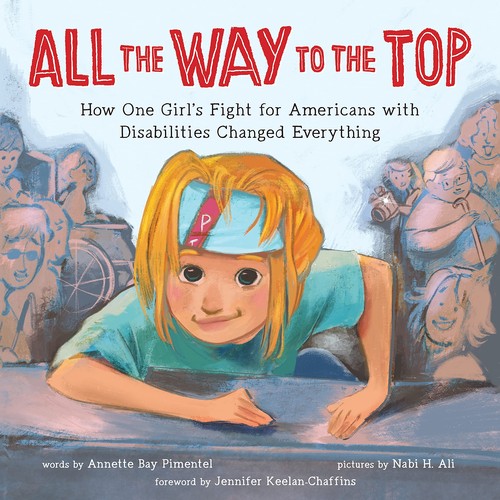
Ages 3–8
All the Way to the TopAnnette Bay Pimentel
And to make sure it passed, Jennifer went to the steps of the Capitol building in Washington DC to convince them. And, without her wheelchair, she climbed. All the way to the top!"--Provided by publisher.